Using Ritlectinib to Treat Severe Alopecia Areata in Children
The study team is looking for children ages 6 to under 12 who have severe alopecia areata. The goal is to find out if ritlecitinib is safe and works well to treat this condition.
Why this Research Matters
The study drug, ritlecitinib, works by lowering inflammation that can cause hair loss. It is approved for adults and teens ages 12 and older with severe alopecia areata. In this study, ritlecitinib is compared to a placebo. The placebo looks the same but does not contain any real medicine. Researchers will compare results from both groups to find out if the study drug works better. If your child joins the study, they will first have a screening visit to see if they qualify. During this visit, your child will give blood and urine samples, answer questions, have a physical exam, and complete heart and hearing tests. If your child qualifies, they will be placed into one of three groups by chance, like picking a number out of a hat. They may receive 30 mg of ritlecitinib, 50 mg of ritlecitinib, or a placebo. The study medication will be taken for 6 months. During this time, your child will complete similar tests and answer questionnaires. Your child will also track when the study medication is taken in a diary, with help from a caregiver if needed. There is no cost to join the study. If all visits are completed, you may receive up to $684. Your child will take part in the study for about 6 months at Children's Hospital Colorado.
Who can Participate
Your child may be eligible for the study if they are ages 6 to under 12 and have severe alopecia areata. They must also have a primary caregiver. This is a main person who helps with daily activities, can attend all study visits, share information about their child's health, and keep track of when the study medication is being taken.
Study ID
Protocol Number: 25-0909
Compensation Information
Meet the Team
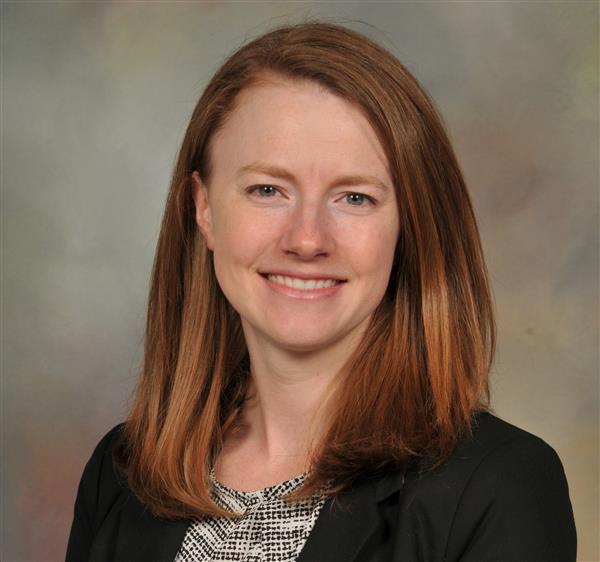
Principal Investigator