Monitoring Blood Sugar During Immune Therapy for Cancer Treatment to Detect Type 1 Diabetes Early
This study wants to find out if a glucose monitor can help detect type 1 diabetes early in people getting immune therapy for cancer treatment. It also wants to learn if certain genes or antibodies can help identify people at higher risk.
Why this Research Matters
Immune therapy can help treat cancer, but in some people, it may lead to type 1 diabetes. This can happen quickly and may cause a serious condition called diabetic ketoacidosis. This study wants to learn if tracking blood sugar in real time can help find early changes before severe symptoms happen. What we learn may help improve safety and early detection for people at higher risk.
What to Expect
If you join this study, you will be given a small device called a continuous glucose monitor. The study team will show you how to place it, use it, and connect it to an app on your phone so they can review your blood sugar levels. The study team will collect up to 14 days of blood sugar data before your immune therapy starts. After treatment begins, you will wear a monitor and change it every 10 to 14 days for about 90 days. The study team will review your data during this time. You may also choose to have 2 optional blood draws, about 2 to 4 weeks after treatment starts.
Study Duration
The study may last up to 14 days before treatment and about 90 days after treatment starts. During this time, you will wear and replace the monitor every 10 to 14 days. Optional blood draws may happen at about week 2 and week 4.
Who can Participate
You may be able to join this study if you:
- Are 18 years old or older.
- Willing to be tested for a gene or antibody linked to type 1 diabetes.
- Are receiving or will receive immune therapy for cancer treatment.
- Have a smartphone that works with the study app.
Study ID
Protocol Number: 24-1132
More information available at ClinicalTrials.gov: NCT00000000
Compensation Information
Meet the Team
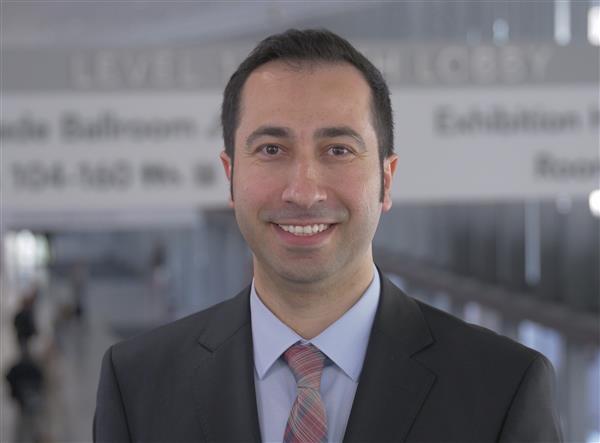
Principal Investigator